


Table of Contents
- What Is a Glass Film Remover and Why You Need One
- Distinguishing Oily Film From Window Tint and Adhesive Residue
- How to Remove Haze From Windshield: Methods That Work
- Window Film Adhesive Remover: Tackling Stubborn Residue
- Old Window Tint Removal: Safe Techniques by Glass Type
- Windshield Oil Film Remover: Cutting Through Road Grime
- Choosing the Right Glass Film Remover Product
- Common Mistakes and Troubleshooting Persistent Haze
- Frequently Asked Questions
Last Updated: October 14, 2026
What Is a Glass Film Remover and Why You Need One
A glass film remover is a specialized cleaning product that dissolves stubborn residues from car windows, old window tint adhesive, oil film buildup, and protective coating remnants.

If you've scraped dried tint film or wiped oily windshield haze with standard glass cleaner, you know the frustration.
At Eve's Curious Collection, our Car Glass Film Remover ($4.98) combines adhesive-dissolving action with a streak-free formula that leaves no sticky residue.
Distinguishing Oily Film From Window Tint and Adhesive Residue
Before you reach for a glass film remover, identify what you're cleaning.

Oily film is a thin, slick coating that catches light and looks hazy.
Window tint adhesive residue remains after old tint film is removed.
The practical difference: oily film responds to degreasers and thorough wiping, while tint and decal adhesives need a chemical solvent that dissolves the glue itself.
How to Remove Haze From Windshield: Methods That Work
Windshield haze ruins visibility, but most responds quickly to the right method.
For light oily haze:
- Spray a glass film remover or automotive glass cleaner across the affected area
- Let it sit 2-3 minutes to penetrate the film
- Wipe with a clean microfiber cloth in circular motions
- Repeat if necessary, then dry with a lint-free cloth for a streak-free finish
For stubborn mineral deposits or water spots:
- Apply the glass film remover generously
- Allow 5-10 minutes of contact time
- Use a soft cleaning pad or applicator to gently scrub the surface
- Wipe clean and dry immediately
For old window tint haze: The process takes longer but follows the same principle. Apply your glass film remover, wait for it to break down the adhesive, then wipe away the loosened residue. Very old tint may need multiple applications, contact time is the key variable.
Window Film Adhesive Remover: Tackling Stubborn Residue
Window film adhesive is engineered to bond permanently to glass, and standard cleaners won't touch it.
The best adhesive removers work in stages:
Stage 1: Penetration The product soaks into and around the adhesive layer, breaking down the chemical bonds that hold it to the glass.
Stage 2: Dissolution The adhesive softens and begins to separate from the glass surface.
Stage 3: Removal You wipe away the loosened residue with minimal effort.
Application matters. Spray the remover directly onto the adhesive residue and let it sit 5-15 minutes, a longer wait means easier cleanup.
Eve's Curious Collection's Car Glass Film Remover is formulated for this task.
Old Window Tint Removal: Safe Techniques by Glass Type
Glass type determines what will damage it. Treating every window the same is how people ruin defroster grids, delaminate a windshield, or scratch tempered side glass. Here's the protocol by glass type.
Tempered side glass (door windows, quarter windows)
Tempered glass is heat-treated and forgiving, tolerating heat guns, steam, and gentle scraping better than any other auto glass.
- Park in shade, direct sun makes the film brittle and the adhesive gummy at once.
- Warm the film with a heat gun on low, keeping the nozzle moving (a hair dryer on high works too). You want it warm and pliable, not hot to the touch.
- Pick a corner with a fingernail or plastic razor and peel slowly at a shallow angle. If the film tears, re-warm and continue.
- Apply glass film remover to the leftover adhesive, let it dwell per the label, then wipe with microfiber and finish with a clean, dry cloth.
Rear windows with defroster lines
This is the window most people damage. The defroster grid is a thin conductive strip bonded to the inside surface. Scratch through it and that segment stops working, it can't be repaired, only replaced with the glass.
- Never use a razor blade or metal scraper on the inside of a rear window.
- Avoid aggressive steam or heat directly on the grid; heat can lift the conductive strip.
- Work chemically. Apply a gel or spray adhesive remover, let it dwell, and lift residue with a plastic razor held nearly flat to the glass.
Laminated windshields
Windshields are two panes of glass bonded to a plastic interlayer, making them the most heat-sensitive window on the car.
- No heat guns. Sustained heat can bubble or delaminate the interlayer.
- No metal blades. The curve makes it nearly impossible to keep a blade flat, and the risk of a deep scratch is high.
- Chemical removal only. Apply remover, give it full dwell time, and wipe with a soft pad.
Glass near seals, trim, and mirrors
Rubber seals, plastic trim, and mirror housings are the parts most often damaged during tint removal.
- Mask or tape off rubber weatherstripping and painted trim before you start.
- Wipe drips immediately. Solvent left on rubber can swell or discolor it.
- On mirrors, work only on the outer glass, product reaching the reflective backing or housing edge can damage the coating.
Tool rules that apply to every glass type
- Plastic razor blades for any scraping. Metal blades only on flat, tempered glass, and only as a last resort.
- Microfiber cloths, not paper towels or shop rags. Paper towels can leave lint and micro-scratches.
- Fresh blades and pads. A dull plastic blade smears adhesive; a dirty cloth redistributes it.
NHTSA guidance on automotive glazing and visibility
Windshield Oil Film Remover: Cutting Through Road Grime
Road film builds up gradually and stays invisible until you notice poor visibility or a dull appearance. This oily residue comes from brake dust, exhaust particles, and atmospheric pollution.
The application process:
- Spray the remover across the windshield
- Allow 2-3 minutes for the degreaser to penetrate
- Wipe with a clean microfiber cloth
- For heavy buildup, repeat the process
- Finish with a final wipe using a dry cloth
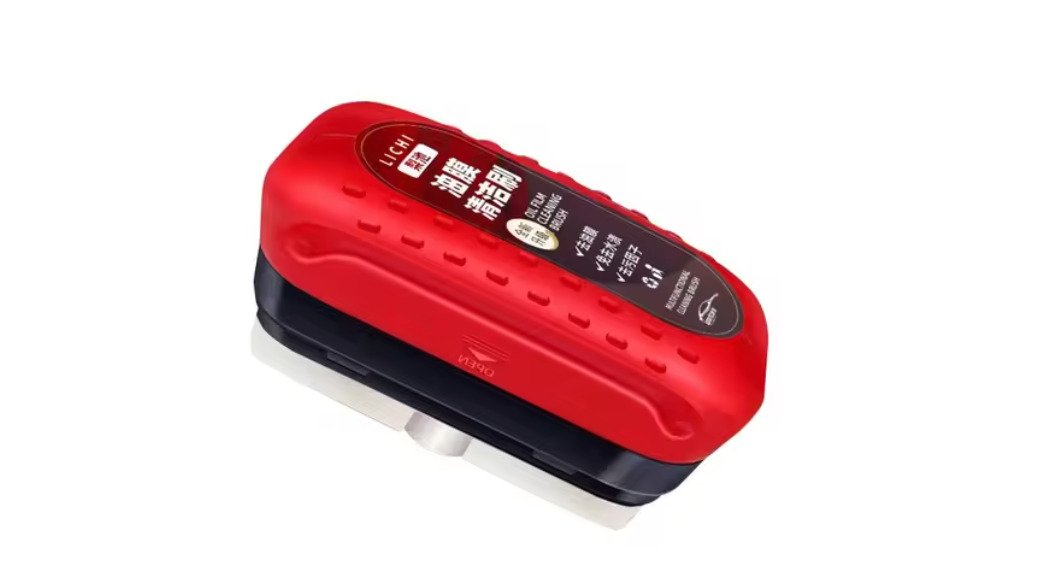
Eve's Curious Collection carries the Car Glass Oil Film Remover ($5.07), a 150ml formula with hydrophobic coating technology.
The hydrophobic property means water beads and rolls off rather than streaking, particularly useful in rain or after washing your car.
Choosing the Right Glass Film Remover Product
Most top-ranking pages tell you to "pick a product that matches your problem", a restatement, not a decision. What helps is comparing the four removal approaches on effectiveness, time, cost, and risk to the glass.
Method comparison: cleaner, steam, heat, and scraping
| Method | Best for | Typical time per window | Typical cost | Risk to glass | Risk to trim/seals |
|---|---|---|---|---|---|
| Chemical glass film remover (spray or gel) | Tint adhesive, oily film, decal residue | 10-20 min including dwell time | $5-$20 per bottle | Low when used as directed | Low; wipe drips off rubber and paint promptly |
| Steam (handheld steamer) | Softening old tint film before peeling | 5-10 min per window | $30-$80 for a basic unit | Low, but keep the nozzle moving | Moderate; sustained heat can distort rubber seals |
| Heat gun or hair dryer | Loosening tint film edges before peeling | 3-8 min per window | $0 if you own a hair dryer; $20-$40 for a heat gun | Moderate; too much heat on laminated windshields can damage the interlayer | Moderate; heat near trim can warp plastic |
| Razor blade or scraper | Flat glass with baked-on adhesive after film removal | 5-15 min per window | $3-$10 | High on curved or laminated glass; low on flat tempered side glass | Low if you stay off the seals |
People who damage their own glass usually reach for a blade first. The blade is the last tool you should pick up: chemical dissolution does the bulk of the work, and the blade only lifts what's already loosened.
Matching the product to the residue
- Oily film and road grime: a degreasing glass film remover. Look for surfactants and a hydrophobic additive if you want water to bead afterward.
- Tint adhesive: a solvent-based adhesive remover. Gel formulas cling to vertical side glass better than thin sprays, which matters because dwell time is what dissolves the glue.
- Decal and vinyl residue: the same adhesive remover works, but apply it in small sections because decal glue tends to be patchy rather than uniform.
What to check on the label
- Safe for laminated glass if you plan to use it on a windshield.
- Safe for tinted glass if any window still has film you intend to keep.
- Plastic- and paint-safe if you'll be spraying near trim, mirrors, or body panels.
Cost reality check
A single bottle of glass film remover typically runs $5-$20 and covers several windows, while professional tint removal commonly charges $50-$150 per window. For one or two windows, DIY is almost always cheaper; for a full-car strip with baked-on film, a shop can be the better trade if your time is worth more than the savings.
Common Mistakes and Troubleshooting Persistent Haze
Even with the right product, mistakes happen. Knowing what to avoid saves time and prevents damage.
Mistake 1: Not allowing enough contact time Rushing is the most common error.
Mistake 3: Applying remover in direct sunlight Heat dries the product before it can penetrate and dissolve adhesive.
Mistake 4: Not drying properly Skipping the final dry step leaves water spots and streaks.
For persistent haze that won't clear:
If one application doesn't fully remove haze, the issue is usually incomplete penetration.
Frequently Asked Questions
What will remove film from glass?
A glass film remover dissolves adhesive and oily residue so you can wipe it away without scratching. Most effective removers contain solvents that penetrate stubborn deposits on windshields and side windows. For best results, spray the product, wait 2-3 minutes for it to work, then wipe with a soft cloth. Products like Eve's Curious Collection's Car Glass Film Remover ($4.98) are formulated to work on tint films, stickers, and protective coatings without damaging the glass surface.
How do I get the haze off my windshield?
Windshield haze typically comes from oil film, mineral deposits, or residue from old tint. Start by cleaning with a glass film remover spray, applying it to the affected area and letting it sit briefly before wiping. For stubborn haze, use a soft-bristled brush or microfiber cloth with gentle circular motions. If haze persists after one application, repeat the process. Avoid abrasive scrubbers that can scratch the glass. A hydrophobic coating applied after cleaning helps prevent future haze buildup by repelling water and grime.
Can vinegar remove film from glass?
Vinegar can help with light mineral deposits and some smudges, but it's not strong enough for adhesive residue or old window tint. Vinegar works best as a preventive cleaner or for routine maintenance rather than heavy-duty film removal. For stubborn adhesive or old tint, a dedicated glass film remover with stronger solvents will dissolve the residue much faster and more effectively. Save vinegar for weekly glass maintenance; use a specialized remover when dealing with adhesive or film buildup.
How do you remove old window tint film and adhesive from glass?
Old window tint removal requires patience and the right product. Apply a glass film remover spray generously to the tinted area and let it penetrate for 3-5 minutes. Use a plastic scraper or soft-bristled brush to gently lift the film edge, then peel it back slowly. Spray more remover as you go to prevent the film from tearing. Once the film is off, spray the remaining adhesive residue and let it sit for several minutes before wiping with a microfiber cloth. For stubborn adhesive, repeat the spray-and-wipe cycle until the glass is clear and streak-free.
Keeping your auto glass clear matters for safety and appearance. The right glass film remover makes maintenance quick and effective. Eve's Curious Collection offers trusted solutions that dissolve adhesive, cut through road film, and leave your windows spotless. Shop our curated glass film remover collection and discover why drivers choose products that deliver professional results without the professional price tag.


