


Table of Contents
- Why High Quality Unique Gifts Beat Generic Presents
- How to Choose a Meaningful Gift: A 4-Step Framework
- Unique Gift Ideas for Creative Adults
- How to Identify High-Quality Craftsmanship in Unique Gifts
- Tips for Buying High-Quality Gifts Online
- Sustainable and Ethical Sourcing for Unique Gifts
- Gift-Giving Etiquette for Unique Items
- Conclusion
- Frequently Asked Questions
Last Updated: September 15, 2026
Why High Quality Unique Gifts Beat Generic Presents
The best way to find high quality unique gifts is to shop with intention rather than impulse, focusing on craftsmanship, story, and fit for the recipient. That single shift separates a present someone keeps on their desk for years from one that quietly disappears into a drawer by February.
This guide from Eve's Curious Collection breaks down a repeatable process for sourcing one-of-a-kind pieces you can feel confident giving. Below, we'll show you exactly how to evaluate quality, avoid the most common gift-buying mistakes, and match a thoughtful gesture to the person receiving it.
The psychology here matters more than most shoppers realize. Research on gift-giving suggests that recipients consistently value the thought and meaning behind a gift over its price tag, yet givers tend to over-index on cost (pubmed.ncbi.nlm.nih.gov). That gap is where generic presents get purchased and where curated, meaningful finds win.
How to Choose a Meaningful Gift: A 4-Step Framework
A meaningful gift is one that reflects who the recipient actually is, not who you assume they are. Use this framework to move from blank-page panic to a confident pick.
- Name one specific detail about them. A hobby, a running joke, a routine they complain about. Specificity beats sentiment every time.
- Set a realistic budget before you browse. Deciding your range first stops you from anchoring on price and losing sight of fit.
- Match the gift to a moment, not a category. A conversation starter for a dinner host reads differently than a keepsake for a milestone birthday.
- Check the quality signals before you buy. Materials, maker information, and construction details tell you whether the item will last.
| Gift Scenario | Best Approach | What to Avoid |
|---|---|---|
| Someone who "has everything" | Experience gifts or consumables | More clutter for their shelves |
| Creative adult | Artisan tools, statement pieces | Generic gift cards |
| Milestone birthday | Personalized keepsake | Trendy items that date fast |
| Host or coworker | Novelty conversation starters | Overly personal items |
A common mistake is treating "unique" as a synonym for "expensive." It isn't. Plenty of novelty and budget-friendly finds carry more meaning than a costly, impersonal gift.
Unique Gift Ideas for Creative Adults
Unique gift ideas for creative adults tend to fall into a few reliable categories: tools they'll actually use, objects that spark conversation, and items that support a hobby they already love.
For the reader in your life, a 3D Animal Bookmark adds a playful, durable touch to something they use daily, and it comes in ten animal designs so you can match it to their taste. For someone who values quiet reflection, a Faith & Joy Verse Jar holds 90 uplifting verses they can draw one at a time, making it a small daily ritual rather than a one-time gift.

Statement pieces work well for creative adults who treat their space as an extension of their personality. A piece like the S925 Sterling Silver Light Reflecting Ring, with its adjustable opening and surprise love pattern, suits a partner or close friend who appreciates jewelry with a hidden detail. These are the kinds of finds that feel bespoke even when they're ready to ship.
How to Identify High-Quality Craftsmanship in Unique Gifts
High-quality craftsmanship shows up in three places: how the item is made, how it feels in hand, and how well it will survive daily use. You don't need to be an expert to spot the difference, you need a short list of things to look for and a few things that should make you walk away.
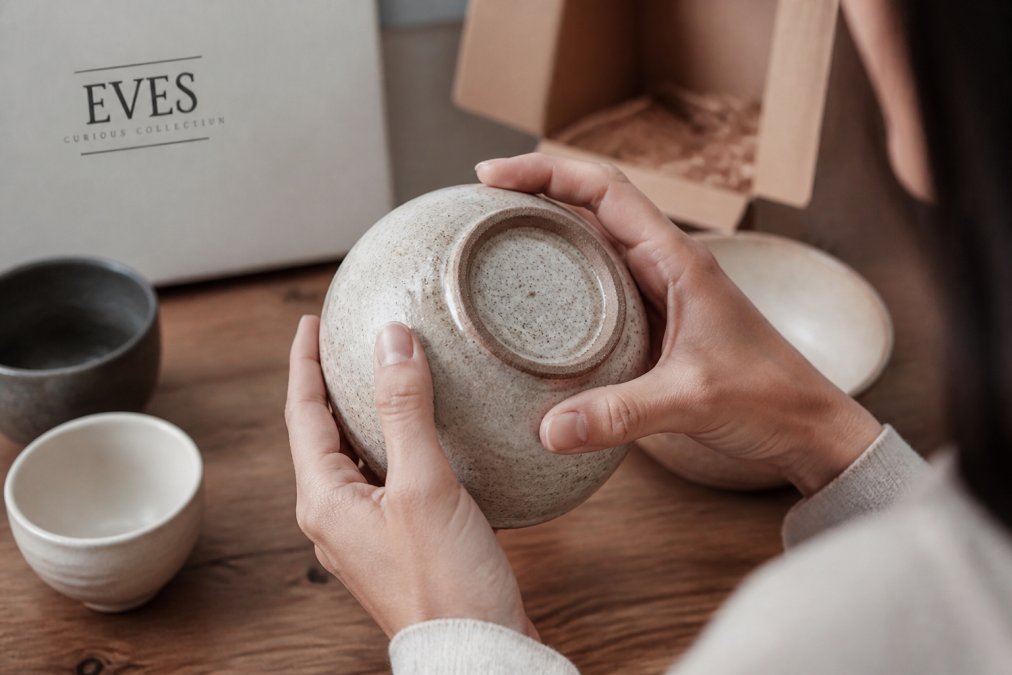
Start with materials, and read them literally. A maker who names their material, sterling silver, borosilicate glass, full-grain leather, solid walnut, stoneware, is usually proud of it. Vague terms like "premium metal," "genuine leather," or "high-quality glass" are placeholders, not specifications. In jewelry, look for a stamped hallmark such as "925" for sterling silver or "14K" for gold; in textiles, look for fiber content by percentage rather than a single word like "cotton blend (the FTC)." If the listing won't tell you what the thing is made of, assume the answer is the cheapest option that fits the category.

Then read the construction, not the adjectives. Quality shows up in the details a rushed manufacturer skips:
- Seams and joins. Even stitching, matched thread color, and no loose ends on textiles; smooth, filled solder joints on metalwork; tight, consistent dovetails or mortise-and-tenon joints on wood.
- Finishes. A glaze that pools evenly, an edge that's been sanded rather than left sharp, a clasp that opens and closes with resistance instead of rattling.
- Weight and balance. A well-made object usually feels denser and more balanced than a cheap equivalent of the same size. A hollow, top-heavy feel is a tell.
- Symmetry and repetition. If the item has a pattern, a set, or paired elements, do they actually match? Handmade variance is fine; sloppy variance is not.
Finally, check the maker's story. Independent makers and local vendors who explain their process, name their studio, and show work-in-progress photos are easier to trust than anonymous listings. A maker's mark, a signature, or a dated batch number is a good sign, it means someone is willing to stand behind the piece.
Three red flags that should end the search:
- Stock photos only. If every image is a rendered or borrowed photo and there's no photo of the actual item, you can't judge finish or scale.
- No dimensions. An item with no measurements is an item you can't picture in the recipient's hands or on their shelf.
- Price that doesn't match the claim. A "hand-forged" piece priced below what the raw material alone would cost is almost never what it says it is.
Tips for Buying High-Quality Gifts Online
Buying high-quality gifts online comes down to verifying three things you can't touch: the material, the maker, and the return policy. Get those right and the distance stops mattering.
Read the full product description rather than the headline. Listings that specify dimensions, materials, and package contents are far easier to assess than ones that lean on adjectives. Check whether the seller shows real product photography instead of stock imagery, since photos reveal finish and scale in ways copy can't.
Then confirm shipping and returns before you commit. Fast shipping matters most when you're buying close to a deadline, and a clear return window protects you if the item doesn't match the recipient's style. This is where a curated shop earns its keep: someone has already done the vetting, so you're choosing between good options instead of gambling on unknowns.
Sustainable and Ethical Sourcing for Unique Gifts
Sustainable and ethical sourcing means knowing where a product came from, who made it, and whether the materials were chosen with care. For gift-givers, this is less about certification logos and more about asking better questions, and knowing which answers actually mean something.
Use a four-question vetting framework. Before you buy a "unique" item, run it through these:
- Who made it? A named maker, studio, or workshop is a good sign. "Designed in" language with no production detail usually means the item was manufactured somewhere the brand won't name.
- What is it made of, and where did that material come from? Recycled brass, reclaimed wood, organic cotton, and deadstock fabric are concrete claims a seller can back up. "Eco-friendly" alone is not.
- How long will it last? Durability is the most underrated sustainability metric. A well-made item that survives ten years has a far lower footprint than a cheap one replaced every season, even if the cheap one carries a green label.
- What happens at the end of its life? Repairable, refillable, compostable, or recyclable items beat single-use novelty every time.
Know which certifications are worth trusting. Third-party marks carry more weight than a brand's own claims because an outside body verified them.
Gift-Giving Etiquette for Unique Items
Conclusion
Frequently Asked Questions
What is the best website for finding unique gifts?
The best sites combine human curation with clear sourcing information. Look for platforms that name their makers, show multiple product photos, and publish quality checks. Eve's Curious Collection, for example, hand-picks items across electronics, jewelry, and home goods, so you can browse trending finds without sorting through thousands of near-identical listings. Read the brand's vetting process before you buy.
How do you identify high-quality craftsmanship in gifts?
Check the details that mass production skips: even stitching, tight joinery, consistent glaze, and a maker's mark. Ask what materials were used and where they came from. Request close-up photos if you are buying online. A handcrafted item with visible tool marks often outlasts a factory-made version, because the person who made it inspected it themselves.
Where can I find artisan-made gifts online?
Start with curated marketplaces that verify their sellers, then check the product page for maker names, material details, and shipping timelines. Independent makers often sell through their own sites too. Eve's Curious Collection carries hand-picked artisan items like the S925 Sterling Silver Light Reflecting Rings at $82.77, giving you a vetted starting point without endless scrolling.
How do I avoid ordering a trendy gift that arrives outdated?
Buy pieces built around craft rather than a short-lived trend. Personalized items, keepsakes, and artisan goods hold their appeal for years, while viral gadgets fade in months. Ask yourself whether the recipient would still use this item in three years. If yes, it is worth buying. If you are unsure, choose something customizable so it fits their style no matter what changes.


