


Table of Contents
- Why Mass-Produced Gifts Fall Short
- How to Identify High-Quality Craftsmanship
- Quality vs. Quantity: What Actually Matters in Gifting
- Unique Gift Ideas for Creative Adults
- An Ethical Gifting Guide for Conscious Consumers
- Setting Boundaries and Communicating Your Preferences
- The Psychology Behind Intentional Gift-Giving
- Conclusion
- Frequently Asked Questions
Last Updated: September 2, 2026
Why Mass-Produced Gifts Fall Short
When you hand someone a gift that arrived in the same packaging as thousands of others, something essential gets lost in the exchange. Mass-produced gifts often prioritize profit margins over thoughtfulness, resulting in items that feel generic, disposable, and interchangeable. The real problem isn't that these gifts are inexpensive, it's that they communicate indifference at scale.
At Eve's Curious Collection, we offer a curated selection of unique, hand-picked products designed to bring the unexpected into your daily life. The most meaningful gifts share a common trait: they feel intentional. They reflect consideration, uniqueness, and a genuine attempt to match the recipient's actual interests rather than mass-market assumptions about what people "should" want.
The psychology of gift-giving reveals something manufacturers bank on: most people feel obligated to accept and appreciate whatever they receive, regardless of quality. This social pressure creates a cycle where cheap, mass-produced gifts remain normalized. But intentional gifting breaks that cycle. When you select something thoughtfully curated, whether handmade, ethically sourced, or genuinely rare, you signal respect for the recipient's individuality.
Mass manufacturing optimizes for volume and uniformity. That means corners get cut: materials degrade quickly, designs lack personality, and the item often feels like it was made for "someone" rather than for this person. By contrast, high-quality, unique gifts demonstrate that you invested time, not just money, in the selection process.
How to Identify High-Quality Craftsmanship
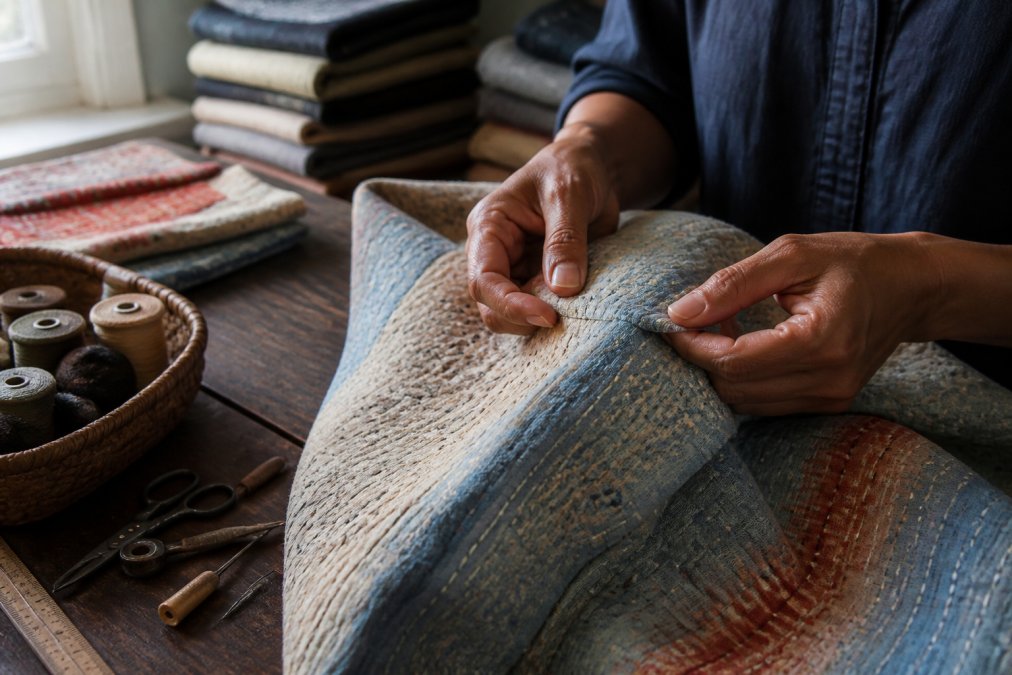
High-quality craftsmanship reveals itself through specific, observable details. Before purchasing any gift, train yourself to notice the markers that separate intentional creation from assembly-line production.
Start with materials. Run your fingers across the item's surface. Does it feel durable or flimsy? Quality materials have weight and substance. A well-made leather wallet feels different from synthetic imitation, there's a density and flexibility that cheap materials lack. Natural fibers (wool, linen, cotton) have character; they age gracefully rather than deteriorating. Look for transparency in sourcing: legitimate makers disclose where materials come from.
Examine construction. Seams should be straight and even, not wavering or loose. Joints should fit snugly with minimal gaps. Handmade items often show slight variations, this is a sign of human creation, not a flaw. Conversely, mass-produced goods display identical perfection across units, which paradoxically signals less care. Check the back and underside of items; quality makers invest in finishing details nobody sees. If the hidden side is sloppy, the maker cut corners.
Look for signs of limited production. Handmade goods often include maker's marks, serial numbers, or certificates of authenticity. These indicate the creator stands behind their work. Mass production hides behind generic brand names and vague "made in [country]" labels. A maker willing to sign their name carries accountability that factories don't.
Ask about the story. Quality craftspeople can tell you exactly why they chose specific materials and techniques. They discuss their process, their inspirations, their challenges. Mass manufacturers provide generic product descriptions. When you can trace the gift's origin to a real person or small team, you've likely found something worth giving.
Quality vs. Quantity: What Actually Matters in Gifting
This is where intentional gifting diverges from consumer culture. Most people assume more gifts equal more thoughtfulness. The opposite is usually true.
One carefully selected, high-quality item that matches the recipient's actual interests outweighs a stack of impulse purchases. This principle aligns with minimalism and intentional living, both gaining traction as people reassess their relationship with material goods. When you give fewer, better gifts, each one carries weight. The recipient doesn't feel obligated to display or use items they don't want, and you avoid contributing to their clutter.
Quality items develop patina and meaning over time. A handmade ceramic mug gets better with use; a mass-produced plastic knockoff gets worse. Heirloom-quality gifts become conversation pieces and eventually family treasures. Disposable gifts become landfill.
Consider the recipient's actual lifestyle. Someone who values experiences over possessions would rather receive a shared activity (cooking class, concert tickets, adventure outing) than another object. Someone with limited space appreciates consumables (specialty tea, artisanal soap, curated books) over permanent items. Someone who already has "enough" benefits from gifts that solve real problems rather than create new ones.
The math is simple: one $50 thoughtfully curated gift beats five $10 impulse buys. The recipient feels valued rather than overwhelmed. You feel satisfied rather than guilty about contributing to their consumption cycle. And the gift actually gets used, appreciated, and remembered.
Unique Gift Ideas for Creative Adults
Creative adults typically have specific, refined tastes. They've likely already acquired the basics, so generic gifts feel like missed opportunities. Instead, target their creative interests directly.
Handmade craft kits bridge the gap between giving an object and giving an experience. The Crochet DIY Kit from Eve's Curious Collection exemplifies this approach, it provides materials and guidance for creating something beautiful by hand. Rather than receiving a finished item they didn't choose, the recipient creates their own, making the gift personal through the act of making. This aligns with intentional living values and provides genuine creative engagement.

For the spiritually inclined, thoughtful gifts go beyond generic religious items. The Faith & Joy Verse Jar from Eve's Curious Collection offers daily inspiration through a curated collection of uplifting verses. It's intentional, beautifully presented, and serves a genuine purpose, daily reflection rather than decoration.
Subscription services tailored to specific interests work well for creative types: specialty coffee, art supplies, literary journals, or niche hobby materials. The gift keeps giving throughout the year, and each delivery feels personalized.
Experiences designed around their creative practice matter more than objects. A workshop in their area of interest (pottery, photography, writing, music production) provides skill development and community connection. Tickets to specialized events, independent film festivals, art gallery openings, maker fairs, align with their values and interests.
Artisanal and locally made goods from independent creators resonate with creative adults who appreciate craftsmanship. Handmade jewelry, small-batch skincare, or limited-edition prints from emerging artists offer uniqueness that mass production can't match.
An Ethical Gifting Guide for Conscious Consumers
Ethical consumption and sustainable gifting have moved from niche concerns to mainstream values. Conscious consumers want to know their purchases align with their principles, and gift-giving is where those values get tested.
Start by understanding the supply chain. Where was the item made? Under what conditions? Who profited from its creation? Mass-produced goods typically obscure these details; ethical makers provide transparency. Fair-trade certification, B-Corp status, and maker transparency indicate genuine commitment to ethical practices.
Second-hand and upcycled gifts reduce waste while often providing higher quality at lower cost. Vintage items, antique books, or refurbished electronics carry history and character that new mass-produced items lack. This approach aligns with zero-waste and minimalist values while often delivering superior craftsmanship from eras when durability mattered.
Support independent creators and small businesses. When you purchase from individual makers, artisans, or small collectives, your money directly supports their livelihoods rather than corporate profit margins. This creates economic incentives for quality, craftsmanship, and ethical practices.
Evaluate environmental impact. Does the item use sustainable materials? Was it produced locally, reducing transportation emissions? Will it last decades or weeks? Durable goods made from renewable or recycled materials represent genuine ethical choices. Mass-produced items designed for quick replacement represent the opposite.
Consider experiential gifts with minimal environmental footprint: concert tickets, cooking classes, adventure outings, or memberships to organizations aligned with the recipient's values. These gifts create memories and support causes they care about without adding physical clutter.
The Ellen MacArthur Foundation's circular economy principles provide frameworks for understanding sustainable consumption. Ethical gifting means selecting items designed to last, using materials responsibly sourced, and supporting makers who prioritize people and planet alongside profit.
Setting Boundaries and Communicating Your Preferences

The awkwardness of receiving unwanted gifts stems partly from unclear expectations. Most people never explicitly discuss gift preferences, leaving givers to guess. This creates a cycle of mismatched, often mass-produced gifts that nobody wants.
Breaking this pattern requires honest communication. Start early in the relationship or at the beginning of the gift-giving season. Simple, direct language works best: "I appreciate thoughtfulness, but I'm trying to be more intentional about what I bring into my home. I'd prefer experiences or handmade items over mass-produced goods." This isn't rude, it's clarifying.
Offer specific alternatives. Rather than just saying "I don't want cheap gifts," suggest what you do want: "I'd love something handmade, a shared experience like a cooking class, or a quality item I can use daily." Specificity removes guesswork and increases the likelihood of a gift you'll actually treasure.
Create a gift registry or wishlist focused on quality over quantity. Platforms like Amazon and specialty retailers allow you to curate items you genuinely want, making it easier for givers to select something meaningful. Include a mix of price points and item types to accommodate different budgets and preferences.
Have conversations about values. If you care about ethical consumption, sustainability, or minimalism, discuss why. Most people are receptive when they understand the reasoning. Frame it as a shared value rather than a personal critique: "I'm trying to support independent makers" or "I'm focusing on items that'll last decades."
For family dynamics, sometimes a gentle script helps. Try: "I know you want to give me something meaningful. The gift that would mean the most is [specific thing, experience, handmade item, quality good, or donation to a cause]. That way I know it came from real thought about what I actually need." This redirects without rejecting.
Normalize gift exchanges beyond objects. Secret Santa arrangements, experience gifts, or group contributions toward shared activities often generate more genuine appreciation than individual mass-produced items. Some families have successfully shifted to giving time together rather than things, cooking together, planning trips, or collaborative projects create memories that outlast any object.
The Psychology Behind Intentional Gift-Giving
Understanding why we give gifts, and why certain gifts matter more than others, reveals the deeper problem with mass production.
Gift-giving fundamentally serves a social function: it signals relationship, demonstrates care, and reinforces bonds. A thoughtfully selected gift says, "I know you well enough to choose something meaningful." A mass-produced generic gift says, "I fulfilled an obligation." Recipients intuitively sense this distinction, even if they can't articulate it.
Research in consumer psychology shows that people derive more satisfaction from experiences and meaningful objects than from quantity of possessions (peer-reviewed research). A single high-quality, personally selected item creates more emotional value than multiple cheaper alternatives. This contradicts the consumerist message that more is better, but it aligns with how humans actually experience meaning and satisfaction.
Materialism, the belief that possessions equal happiness, correlates with lower life satisfaction, higher anxiety, and weaker relationships (peer-reviewed research). Conversely, intentional consumption, minimalism, and focus on experiences correlate with greater well-being. When you gift intentionally rather than impulsively, you're actually supporting the recipient's long-term happiness.
The social pressure to give gifts often drives poor choices. Holiday seasons, birthdays, and life events create expectations that push people toward quick, convenient, mass-produced options. But this pressure can be reframed: giving fewer, better gifts actually demonstrates more respect for the recipient and alignment with their values.
Gift-giving also reflects the giver's self-concept. People often give gifts that say something about how they want to be perceived. Thoughtful, curated gifts signal sophistication, care, and discernment. Mass-produced impulse purchases signal the opposite. When you invest in intentional gifting, you're also communicating something positive about yourself.
Conclusion
Avoiding cheap mass-produced gifts doesn't require spending more money, it requires spending more thought. The shift from quantity to quality, from impulse to intention, from generic to personal transforms gift-giving from an obligation into an act of genuine connection.
Eve's Curious Collection specializes in exactly this: hand-picked, unique items designed to replace the disposable and generic. Our curated selection includes thoughtfully sourced products like the Crochet DIY Kit, which gives the gift of creation rather than consumption, and the Faith & Joy Verse Jar, which delivers daily inspiration with intention and care. Every item reflects our commitment to quality craftsmanship and meaningful selection.

Start today: examine your gift-giving habits, communicate your preferences clearly, and invest in items that reflect genuine thought. Your recipients, and your own sense of integrity, will feel the difference.
Frequently Asked Questions
Q: How can you tell if a product is mass-produced or artisanal?
A: Mass-produced items typically show signs of uniform, repetitive manufacturing: identical seams, perfect uniformity across multiple units, and minimal variation in finish. Artisanal products display intentional imperfections, handmade details, and unique variations. Check the label for production methods, look for maker signatures or batch numbers, and examine the materials closely. Handmade items often require individual attention and skilled labor.
Q: What are the benefits of choosing quality over quantity in gifting?
A: A single high-quality gift demonstrates thoughtfulness and respect for the recipient's time and space. Quality items last longer, reducing waste and environmental impact. They're more likely to be used and cherished rather than discarded. Quality gifts also signal that you value the relationship enough to invest in something meaningful rather than defaulting to disposable trinkets. Recipients appreciate durability and craftsmanship far more than accumulating multiple cheap items.
Q: How do I find unique gifts for creative adults?
A: Look for curated collections from retailers specializing in hand-picked items rather than mass-market stores. DIY kits like crochet sets or craft projects appeal to creative minds. Consider experiences, subscriptions, or items that fuel hobbies. Ask about their interests and search for artisan-made versions rather than factory alternatives. Handmade gifts, limited-edition items, and products from small makers resonate more with creative people than generic mass-produced goods.
Q: What's a good way to politely tell someone you don't want cheap gifts?
A: Use specific, positive language focused on your values rather than criticizing their choices. Try: 'I'd really appreciate gifts that align with my minimalist lifestyle' or 'I prefer experiences over physical items.' Suggest alternatives like donations to causes you care about, experiential gifts, or handmade items. Frame it as your preference for intentional living rather than rejection of their generosity. Offering a gift registry or specific wish list helps guide well-meaning gift-givers toward options you'll actually use.
This article was written using GrandRanker


