


Table of Contents
- What Makes a Curated Collection Unique
- Intentionality and Meaningful Selection
- The Role of Storytelling in Curation
- Visual Merchandising and Aesthetic Cohesion
- Benefits of Curated Shopping
- How to Find Unique Products Online
- Curation vs. Accumulation
- Frequently Asked Questions
Last Updated: August 31, 2026
What Makes a Curated Collection Unique
A curated collection is fundamentally different from a random assortment of products. It's a carefully selected group of items chosen with intentionality, tied together by a cohesive vision or theme that creates meaning beyond what each individual product offers alone. At Eve's Curious Collection, we understand that curation isn't about having more, it's about having the right things, arranged with purpose.
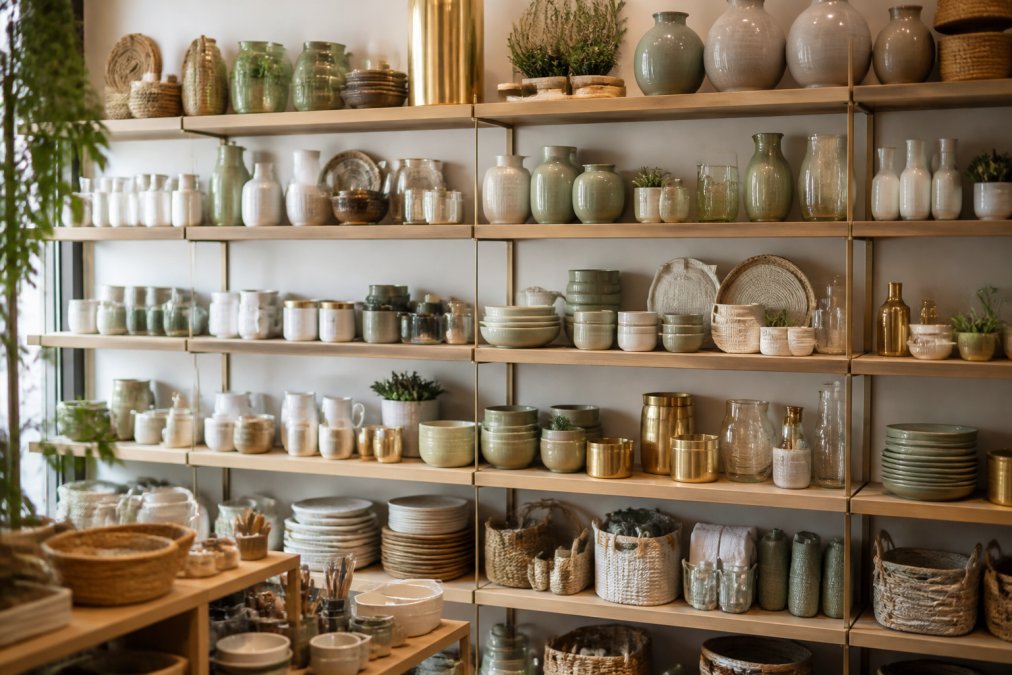
The difference between a curated collection and a standard inventory comes down to one core principle: every item has a reason for being there. Whether you're shopping for gifts, home goods, or everyday essentials, a curated collection saves you time and decision fatigue by filtering out the noise. Instead of scrolling through thousands of options, you're presented with a thoughtfully assembled selection that someone with expertise has already vetted.
This matters more now than ever. The average shopper faces overwhelming choice paralysis when browsing online (peer-reviewed research). A curated collection cuts through that complexity by presenting items that work together visually, functionally, or thematically. It's the difference between walking into a store where products are randomly stocked and walking into one where every shelf tells a story.
Intentionality and Meaningful Selection
Intentionality is the foundation of any true curated collection. It means every product earns its place through deliberate decision-making, not accident or convenience. A curator asks hard questions before adding something: Does this fit the collection's identity? Will it resonate with the intended audience? Does it offer genuine value or novelty?
Many retailers confuse volume with curation. They stock hundreds of items hoping something sticks. Real curation works the opposite way, it's about saying no to most things so the selected items shine. When Eve's Curious Collection hand-picks products, we're not trying to be everything to everyone. We're identifying items that surprise, delight, or solve a problem in an unexpected way.
Meaningful selection also requires understanding your audience deeply. Are you curating for gift-givers searching for something unconventional? For busy professionals who want discovery without the research? For trend-conscious shoppers who value novelty? Each audience has different needs, and intentionality means recognizing those differences and building a collection around them.
The practical impact of intentionality shows up in customer satisfaction. When someone buys from a thoughtfully curated collection, they're not just getting a product, they're getting a recommendation from someone who understands their taste. That creates loyalty. It transforms shopping from a transaction into an experience.
The Role of Storytelling in Curation
Storytelling transforms a collection from a list of items into a narrative that customers want to be part of. Each product in a curated collection has a story, where it comes from, why it matters, what problem it solves, or what emotion it evokes. When these stories connect, they create a cohesive experience that's far more compelling than isolated products.
Consider how Eve's Curious Collection presents items like the Faith & Joy Verse Jar alongside other lifestyle products. The story isn't just "here's a jar with Bible verses." It's about daily inspiration, intentional moments of reflection, and the small rituals that shape our lives. That narrative context makes the product meaningful in a way a generic description never could.

Effective curation through storytelling also helps customers understand how products fit into their own lives. A shopper might not realize they need something until they see it positioned within a compelling story. The LoveStack Couples Game, for example, isn't just a game, it's a story about deepening connection, playfulness in relationships, and creating memorable moments together.

The best curators are storytellers first and product selectors second. They understand that customers don't just buy products; they buy into narratives. When a collection tells a coherent story across its items, it creates emotional resonance that drives both discovery and repeat purchases. This is where curation becomes an art form rather than a simple filtering process.
Visual Merchandising and Aesthetic Cohesion
The way a collection looks matters as much as what it contains. Visual merchandising is the practice of arranging products to create visual interest while maintaining aesthetic cohesion. A well-merchandised curated collection guides the eye, creates balance, and makes the shopping experience feel intentional rather than chaotic.
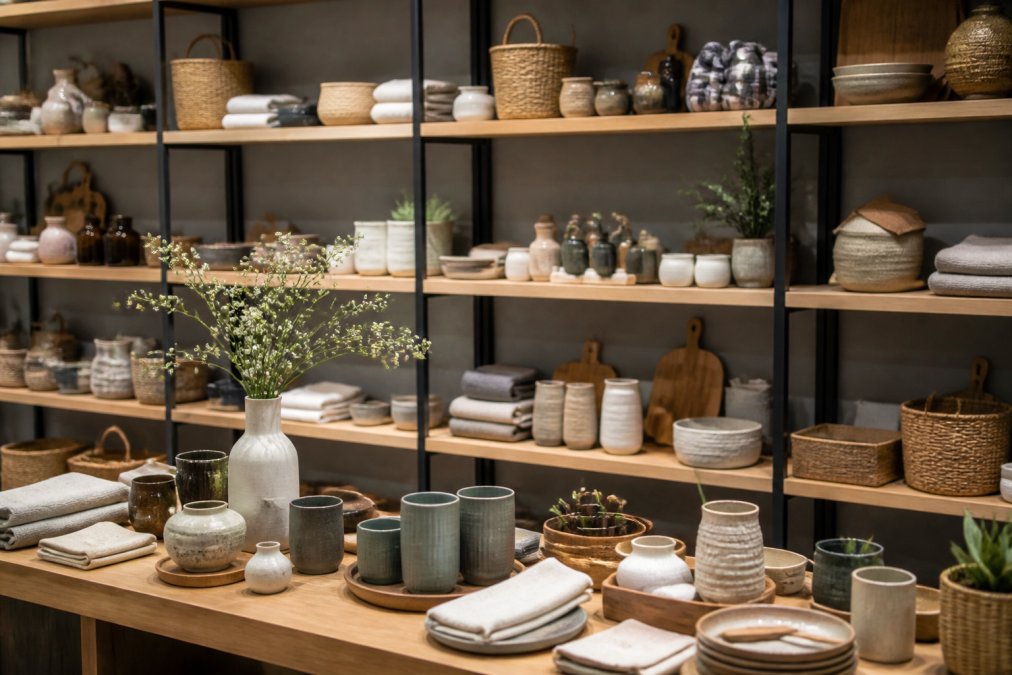
Aesthetic cohesion doesn't mean everything looks identical. It means there's a visual language that ties items together, whether through color, style, material, or era. Some collections embrace maximalism with eclectic variety, while others pursue minimalist elegance. What matters is that the choice is deliberate and consistent.
When customers browse a well-curated collection online or in person, they should feel the curator's style vision immediately. Eve's Curious Collection achieves this by balancing diverse product categories, from household supplies to personal care to unique electronics, while maintaining visual and thematic harmony. The items might be different, but they share a common DNA of thoughtfulness and novelty.
Visual cues also help reduce decision fatigue. When products are organized with clear visual hierarchy and thematic grouping, customers can navigate quickly and find what resonates with them. This is why merchandising matters: it's not decoration. It's a functional tool that improves the shopping experience and increases the perceived value of every item in the collection.
Benefits of Curated Shopping
Curated shopping solves real problems that traditional retail creates. The first and most obvious benefit is time savings. Instead of spending hours filtering through thousands of options, you're presented with a pre-vetted selection that someone with expertise has already evaluated. For busy professionals and gift-givers under time pressure, this is invaluable. A curated collection collapses that timeline significantly (apa.org).
The second benefit is reduced decision fatigue. Psychologists have documented that too many choices actually decreases satisfaction and increases anxiety, a phenomenon known as the paradox of choice (peer-reviewed research). A curated collection limits options to a meaningful range, making it easier to decide and feel confident in your purchase. You're not wondering if you missed something better; you're choosing from items a curator has already validated.
Quality assurance is another significant benefit. Curators maintain standards that mass-market retailers often don't. They're invested in reputation, so they're selective about what they include. When you shop from a curated collection, you're getting an implicit quality guarantee: these items passed someone's rigorous evaluation. This reduces the risk of purchasing items that don't meet your expectations or fail quickly.
There's also the discovery element. Curated collections introduce you to products you wouldn't have found on your own. For trend-conscious shoppers and curious consumers, this is the appeal. You're not just buying what you already knew you wanted; you're discovering something new that fits your taste. The Anxiety Bookshelf: Shake Away Your Anxiety exemplifies this, it's a collection within a collection, offering curated resources on a specific topic rather than requiring customers to research and assemble their own.

Finally, curated shopping creates a sense of belonging. When a collection reflects your values or aesthetic, whether that's minimalism, sustainability, innovation, or cultural heritage, shopping becomes an expression of identity. You're not just acquiring products; you're affirming who you are and what matters to you. This emotional connection drives loyalty and transforms shopping from a transaction into a relationship with a curator whose judgment you trust.
How to Find Unique Products Online
Finding truly unique products online requires understanding both the curator's methodology and the systems behind discovery. The most effective curators combine human judgment with data-driven insights to surface items that align with your preferences while introducing genuine novelty.
Start by identifying curators whose taste aligns with yours, but go deeper than surface-level browsing. Look for retailers that publish or discuss their curation process. Do they explain how they source items? Do they mention customer feedback loops or analytics that inform their selections? Curators who are transparent about their methodology are typically more rigorous than those who rely solely on intuition.
Pay attention to how collections are organized and presented. Modern curated retailers increasingly use data to inform visual hierarchy and product sequencing. If a collection is organized by popularity, complementarity, or seasonal relevance, that's evidence of analytical curation, not just aesthetic arrangement. Retailers that use terms like 'trending,' 'bestselling within this collection,' or 'frequently purchased together' are leveraging data to guide discovery.
Community reviews and user-generated content remain valuable signals, but look for specific patterns. Comments like 'I didn't know I needed this' or 'perfectly matches my style' indicate successful curation. However, also notice if reviews mention how the curator helped them avoid poor choices, that's a sign the curation includes negative filtering (removing items that don't work) alongside positive selection.
Consider the refresh cycle. Curators who update collections frequently, weekly or bi-weekly, are likely using performance data to retire underperforming items and test new additions. Collections that feel static for months suggest less rigorous curation. Many modern retailers now publish 'new arrivals' or 'seasonal rotations' with timestamps, making it easy to see how actively they're managing the collection.
Subscribe to curated collections or follow retailers on social media to observe their curation patterns over time. Notice which items stay in rotation, which are quickly removed, and which categories expand or contract. This reveals whether the curator is responding to customer behavior and market trends or simply following a predetermined plan.
Finally, trust your instincts about whether a collection serves your needs, but also ask: Does this curator seem to learn from customer behavior? Are they testing new categories or product types? Do they acknowledge when something didn't work? Curators who demonstrate adaptability and data awareness tend to improve their collections over time, making them more valuable long-term sources of discovery than static curators relying purely on personal taste.
Curation vs. Accumulation
The distinction between curation and accumulation is critical but often misunderstood. Accumulation is the process of gathering items without particular selectivity, more is better, variety is the goal, and the collection grows through addition. Curation is the opposite: it's about thoughtful selection, strategic limitation, and coherence.
An accumulated collection might have 500 products across random categories with no connecting thread. A curated collection might have 50 products that tell a unified story and serve a specific purpose. The curated collection is more profitable, more satisfying to customers, and more defensible against larger competitors because it offers something accumulation never can: meaning.
Consider profitability. A retailer with 500 random products faces competition from generalist marketplaces like Amazon. A retailer with 50 carefully chosen products can command premium pricing because they're offering expertise and curation, not just products. Customers pay for the curator's judgment and taste, not just the items themselves.
Accumulation also creates inventory management nightmares. More products mean higher carrying costs, more complexity in operations, and greater risk of dead stock. Curation, by contrast, requires discipline. It means regularly evaluating what's working, what's not, and making tough decisions about what to keep or remove. This lifecycle management of a collection is where profitability actually lives.
From a customer perspective, accumulation creates decision paralysis while curation creates confidence. When faced with 500 options, most shoppers freeze. When faced with 50 curated options, they browse, discover, and buy. The psychological difference is profound and measurable in conversion rates.
The best curators understand that saying no is as important as saying yes. Every item removed from a collection strengthens it. Every product added should improve the overall coherence. This discipline separates genuine curation from accumulation masquerading as curation.
Frequently Asked Questions
Q: What does it mean to have a curated collection?
A: A curated collection is a thoughtfully selected group of items chosen with intentionality rather than randomly gathered. Unlike mass-market inventory, a curated collection reflects a specific vision, aesthetic, or purpose. Each item is vetted for quality, relevance, and how it contributes to the overall shopping experience. The curator makes deliberate decisions about what belongs, ensuring cohesion and meaningful value for the customer.
Q: How can you tell if a collection has been thoughtfully curated?
A: A thoughtfully curated collection shows consistency in quality, aesthetic, and purpose. You'll notice intentional gaps, items that don't fit the vision are excluded, even if they're popular. Look for a clear theme or brand identity that ties items together. Real curation also includes storytelling: each piece has context and relevance. High-quality curated collections reduce decision fatigue by pre-filtering options, so every item feels like it was chosen specifically for you.
Q: What are the benefits of curated shopping compared to browsing everything online?
A: Curated shopping saves time and mental energy by eliminating decision fatigue. Instead of sorting through thousands of options, you're presented with a filtered selection that meets quality standards. You gain access to unique, hard-to-find items that curators have sourced specifically. Curated collections also add perceived value, you're paying for expert selection and discovery, not just products. This is especially valuable for gift-givers seeking unconventional items or busy professionals who want convenience without compromising on quality.
Q: How does curation differ from just accumulating products?
A: Accumulation means collecting items without a unifying vision or strategy. A curated collection, by contrast, has intentionality, each item serves a purpose and contributes to a cohesive whole. Accumulation can lead to monotony or visual clutter, while curation creates dynamic, interesting assortments that tell a story. Curated collections also manage inventory lifecycle strategically, refreshing items to keep the shopping experience fresh and relevant rather than letting stock stagnate.
Finding the right curated collection means discovering a retailer whose taste, values, and vision align with yours. Eve's Curious Collection brings together hand-picked products designed to bring the unexpected into your daily life, with fast shipping and an ever-changing inventory that reflects current trends. Shop Now to explore a collection where every item has been chosen with intention and care.
This article was written using GrandRanker


