


Table of Contents
- How to Spot Trendy Home Decor Quality: A Tactile Inspection Checklist
- Identifying Durable Home Decor Materials
- How to Spot Mass-Produced Decor
- Evaluating Joinery and Structural Integrity
- Recognizing Timeless Design vs. Fleeting Trends
- Maintenance and Repairability: Long-Term Value
- Sustainable Sourcing and Ethical Manufacturing
- Common Decor Mistakes That Age a Room
- Frequently Asked Questions
Last Updated: September 21, 2026
How to Spot Trendy Home Decor Quality: A Tactile Inspection Checklist
Knowing how to spot trendy home decor quality separates smart purchases from regrettable ones. Quality isn't about price tags or brand names, it's about what your hands tell you when you touch the piece.
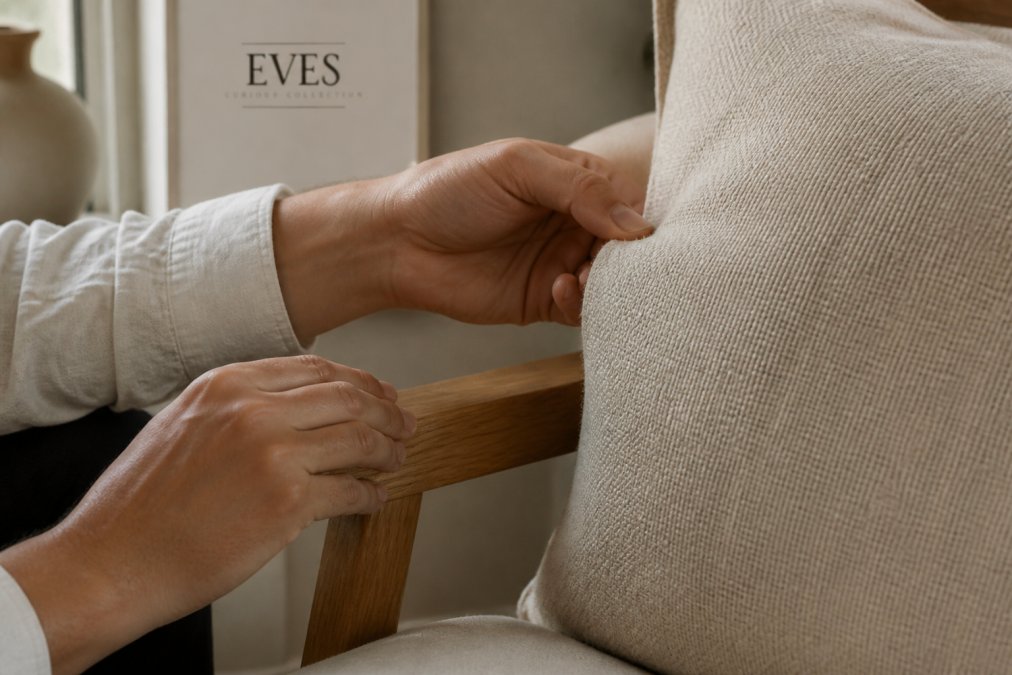
Evaluate any piece through tactile inspection: run your fingers across surfaces, lift items to feel their weight, and test structural elements. This hands-on approach reveals what marketing photos never can.
The Weight-to-Value Test
Pick up the piece. Well-made items feel heavier because they use denser materials. Press down on surfaces, quality pieces resist pressure without flexing excessively. Cheap decor bends, wobbles, or creaks under minimal force. Check the bottom and underside; solid construction should be evident everywhere, not just where people see it.
The Finish and Surface Assessment
Run your fingers across the surface, quality finishes feel smooth and consistent. Look at edges and corners under good lighting; cheap finishes show drips, uneven application, or visible brush marks. Press lightly on painted or stained surfaces; quality finishes resist chipping and peeling because they're applied in multiple layers and properly cured.
Identifying Durable Home Decor Materials
Understanding materials is essential when you're learning how to spot trendy home decor quality. Different materials age differently, and knowing which ones hold up matters for long-term value.
Solid Wood vs. Veneer
Solid wood is denser and more durable than veneer. Look at edges and corners, solid wood shows consistent grain patterns; veneer appears as a thin layer that peels or bubbles over time. Check joints: solid wood uses mortise and tenon joints or dowels, while veneer relies on staples or thin nails that fail as the substrate warps.
Upholstery Density and Textile Composition
Press your hand into upholstered pieces, quality upholstery bounces back immediately; cheap upholstery stays compressed. Feel the fabric: high-quality textiles have a tighter weave and resist pilling. Check the seams for tight, even stitching with no visible gaps. Examine the underside for reinforced corners and solid support structures.
Hardware Integrity and Metal Quality
Examine all metal components, quality hardware feels solid and moves smoothly. Check for rust or discoloration, which indicates low-grade materials. Test moving parts: hinges should open and close smoothly, handles should feel secure. Look at how hardware is attached; quality pieces use proper fasteners and secure mounting, not glued-on components.
How to Spot Mass-Produced Decor
Mass-produced items often share telltale signs. Learning to recognize these patterns helps you identify pieces that prioritize cost over durability.
Fast Decor Supply Chain Red Flags
Identical pieces suggest cookie-cutter manufacturing rather than individual craftsmanship; handmade items naturally vary slightly. Check the packaging and labeling, quality manufacturers provide detailed specifications about materials and origin. Examine pricing: extreme bargains frequently signal compromised quality. Look for assembly requirements; items requiring extensive assembly often hide poor construction.
Artisan-Made vs. Mass-Produced Construction
Artisan-made pieces show evidence of individual attention; slight imperfections are signatures of human craftsmanship. Check for maker's marks or signatures, which indicate pride and accountability. Feel for handwork evidence: smooth transitions and careful finishing suggest human involvement. Research the maker, artisans typically have traceable backgrounds and transparent production methods.
Evaluating Joinery and Structural Integrity
Joinery, how pieces connect, determines whether something lasts or falls apart. This is where craftsmanship truly matters.
Recognizing Timeless Design vs. Fleeting Trends
How to spot trendy home decor quality also means understanding which pieces will feel dated in six months versus which will remain relevant for years.
Maintenance and Repairability: Long-Term Value
Quality is ultimately measured by how well a piece ages. An item that requires constant upkeep or cannot be repaired is disposable by design. Learning to assess maintenance burden and repairability transforms how you evaluate long-term value.
Understanding Maintenance as a Quality Indicator
High-quality pieces require less maintenance; cheap pieces deteriorate quickly and demand constant care.
Low-maintenance indicators of quality:
- Finishes that resist staining and wear (quality wood finishes last 5-10 years; cheap finishes require annual touch-ups)
- Upholstery fabrics that resist pilling and fading (solution-dyed synthetics and tightly woven naturals age better)
- Hardware that remains stable without lubrication or tightening
- Solid joinery that doesn't degrade with normal use
High-maintenance red flags:
- Finishes that scratch easily and require frequent touch-up (indicates thin or low-quality coating)
- Upholstery that pills after light use (indicates low-quality fiber or loose weave)
- Hardware that requires regular tightening (indicates poor fastening or low-quality metal)
- Frames or joints that develop movement or noise (indicates weak construction that will worsen)
Assessing Repairability and Parts Availability
Quality manufacturers design pieces to be repaired; cheap manufacturers design pieces to be replaced. Ask: Can you purchase replacement parts directly from the manufacturer? Are replacement parts priced reasonably? Does the manufacturer provide repair guides? Are fasteners standard sizes or proprietary? Standard fasteners mean any hardware store can help with repairs.
Modular vs. Glued Construction
How a piece is assembled determines whether it can be repaired or updated.
Restoration Potential and Aging Gracefully
Materials that age well: Solid wood develops patina; natural leather becomes softer and richer; wool and linen become softer and more lustrous; brass and copper develop natural patina.
Evaluating Restoration and Refinishing Feasibility
Some pieces can be restored to like-new condition; others cannot. This determines long-term value.
Restorable pieces:
- Solid wood furniture can be refinished by sanding and recoating (cost: $200-$800 depending on size and complexity)
- Upholstered pieces with solid frames can be reupholstered with new fabric (cost: $300-$1,500 depending on size and fabric choice)
- Hardware can be replaced with matching or upgraded components
- Structural damage can be repaired by reinforcing joints or replacing damaged wood
Non-restorable pieces:
- Veneered furniture cannot be refinished without destroying the veneer; refinishing requires replacement veneer, which is often impossible to match
- Glued upholstery cannot be reupholstered without destroying the frame
- Pieces with proprietary components (custom-molded plastic, integrated electronics) cannot be repaired if components fail
- Pieces with structural damage to the substrate (warped plywood, broken MDF) cannot be structurally repaired
Warranty and Manufacturer Support as Quality Signals
Warranty length and coverage reveal how confident a manufacturer is in their product's durability.
Quality indicators:
- 5-10 year structural warranties (indicates confidence in joinery and materials)
- Coverage for manufacturing defects, not just obvious damage
- Clear repair or replacement policy (quality manufacturers repair; cheap manufacturers replace)
- Accessible customer service for warranty claims and repair questions
Red flags:
- 30-day or 1-year warranties (indicates low confidence in durability)
- Warranties that exclude normal wear (suggests the piece will show wear quickly)
- Difficult warranty claims processes (indicates the manufacturer expects few claims and doesn't invest in support)
- No warranty information available (indicates the manufacturer doesn't stand behind the product)
Sustainable Sourcing and Ethical Manufacturing
Understanding how and where pieces are made contributes to spotting quality. Sustainable and ethical manufacturing often correlates with better craftsmanship.
Common Decor Mistakes That Age a Room
Even quality pieces can make a room feel dated if chosen poorly. Avoid these common mistakes.
Frequently Asked Questions
How can you tell if a trendy decor item is cheaply made?
Cheaply made decor reveals itself through several tactile and visual cues. Pick up the item and assess its weight, quality pieces feel substantial for their size. Examine seams on upholstered pieces; they should be tight and even, not puckered or unraveling. Check hardware like hinges and brackets; they should feel solid and not rattle or bend easily. Run your hand across surfaces for rough spots, uneven finishes, or areas where veneer is peeling. Mass-produced items often skip hand-finishing steps, leaving visible tool marks or inconsistent staining. Finally, look at joinery joints; quality construction uses mortise-and-tenon or dovetail joints, while cheap pieces rely on staples, nails, or plastic brackets.
What should you look for when buying home decor online?
When shopping online, request close-up photos of seams, joints, and hardware before purchasing. Ask about material composition, specific details like '100% linen upholstery' or 'solid oak frame' signal confidence in quality. Check product weight specifications, which indicate material density and durability. Read reviews from verified buyers who mention longevity and how the piece has held up over time. Look for transparent sourcing information; ethical manufacturers disclose where and how items are made. Examine product photos for signs of hand-finishing, patina, or natural variations that suggest artisan craftsmanship. Finally, verify return policies, quality retailers stand behind their curated selections with generous return windows.
What's the difference between durable home decor materials and fast furniture?
Durable materials are chosen for longevity and structural integrity, while fast furniture prioritizes cost reduction and rapid production. Durable pieces use solid wood, high-density upholstery (7+ pounds per cubic foot), and quality hardware that withstands years of use. Fast furniture relies on particle board veneered with thin wood grain, low-density foam that compresses quickly, and plastic or cheap metal hardware. Sustainable sourcing and ethical manufacturing are hallmarks of durable decor; fast furniture often obscures its supply chain. Durable pieces develop character over time, wood patina deepens, finishes age gracefully. Fast furniture shows wear as damage: peeling veneer, broken seams, and structural failure. Investment in durable pieces means fewer replacements and less environmental waste over a decade.
How do you distinguish between fast-fashion decor and heirloom pieces?
Heirloom-quality pieces exhibit timeless aesthetic choices and superior construction that withstands decades of use. Look for classic proportions, neutral color palettes, and design elements that won't feel dated in five years. Heirloom pieces use hand-selected materials with visible grain variation and natural imperfections that prove authenticity. Construction is meticulous: joinery is tight, finishes are applied in multiple layers, and hardware is substantial. Fast-fashion decor chases trends aggressively, bold colors, novelty shapes, and design elements tied to current social media trends. These pieces show wear quickly because materials are thin and construction shortcuts are visible. Ask yourself: will this piece look dated in 2030? If yes, it's trend-driven. If the design feels relevant regardless of era, it's likely heirloom-quality.


